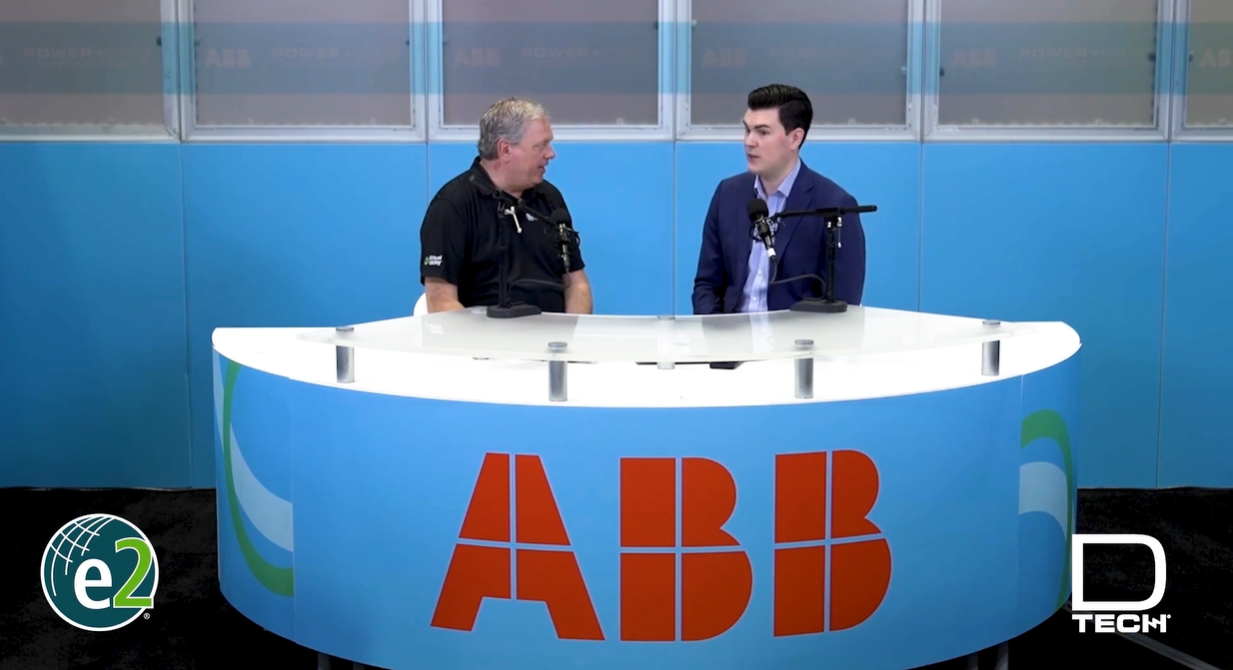
Hello and welcome back to the EV Zone at Distributech International 2024.
I'm John Ingle, Editor in Chief of Distributech and Power Grid International, joined today by E2 Company's Founder and CEO, James Richmond.
James, it's so great to see you.
Great good to see you as well.
Thanks for being here.
So energy transition obviously the top line theme of the show pretty much every year, but what what do you identify as some of those key themes to making sure that we continue to propel that momentum in and stay on track with our goals.
Well, I think the biggest thing is to to really accept and understand that you know we we have an infrastructure that's 40 plus years old for about 70% of it and time is of the essence.
So you know, 10 years to develop products and and get them into play is really just not a comfort zone we have anymore, right.
We're at the point of we got to start moving faster and get innovation moving faster.
And if we don't get innovation moving faster, we're just going to create more problems on the grid.
So when we think about resiliency and reliability, what we want to do is figure out how can we get that started faster, better and start taking care of as we're shutting down the, you know, 60% of the infrastructure over the next few years.
A lot of talk of distributed energy resources here at Distributech, it's one of our most exciting pieces of content.
What are some of the points of innovation that you're watching most closely and excited about?
So what I what I watch the closest is you know how are we handling demand side, right.
We've been focused from a utility concept for power generation and grid stabilization, but not a lot on the demand side.
And when you think about the large users out there, data centers, crypto large industrial, you know these guys are going to have to play a role on the demand side of stabilization of the grid.
So it's the technologies that disappear but can follow a standard so that we can increase the velocity of how fast we can do this.
The energy transition in the state of our our power infrastructure is becoming more and more public and they're more aware of their surroundings and and the impacts to them whether through outages or intermittency, whatever.
How important do you think that is in US framing our approach to the transition and making sure that this is equitable and that it works well.
I think it's it's critical because in the end energy independence is going to be what's going to happen.
We we've reached kind of some crossover points on the cost, right.
So as the cost of continued to climb from the utility infrastructure rate, if they don't start bringing efficiencies into play, people will put in their own power for cheaper than the utility can provide.
They're starting to do that, right.
And and so that creates an energy economy which has a whole plethora of social issues that goes along with it, right.
So now a A a guy who can afford his own power, has great power in the person who can't afford to do that.
Their power gets worse and more expensive.
So we can't end up with an economy that's doing that to the to the public.
James Richmond, founder and CEO of E Two Companies, thanks for joining me in the EV zone.
Great.
Thank you.

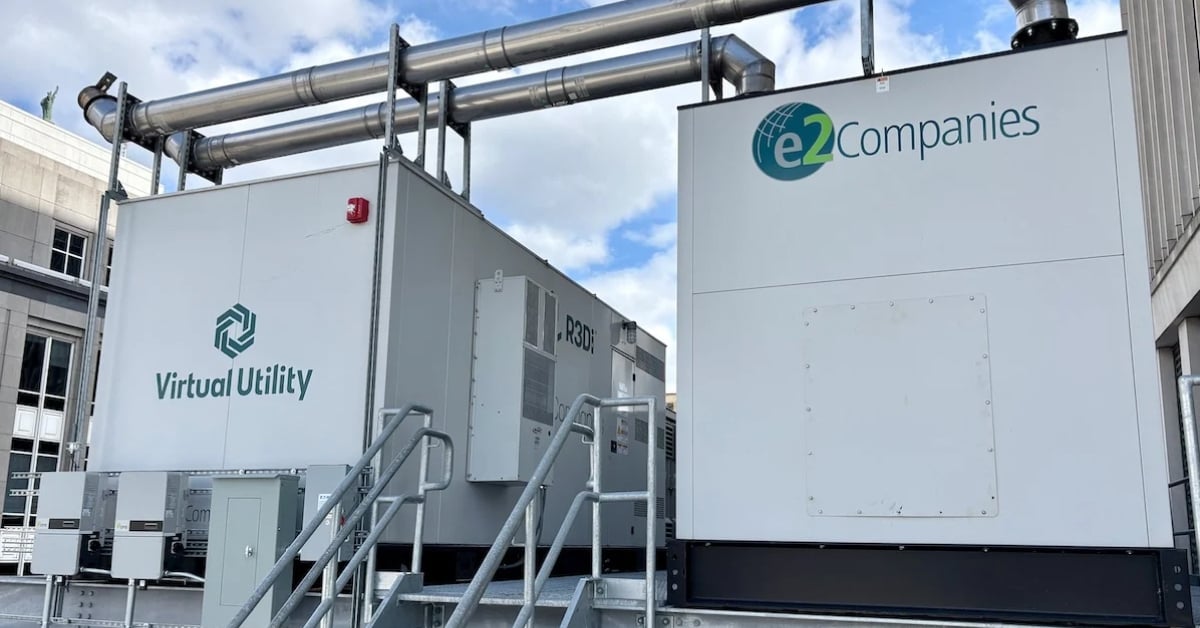 Partner Spotlight: How 34 Group Is Building Community and Resiliency In Western New York
 See how on-site power can improve your facility’s reliability, control, and performance.
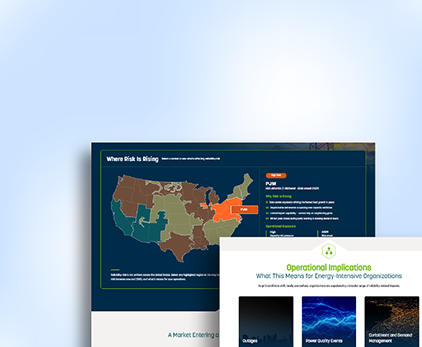 Get a clearer view of regional grid risk, operational exposure, and the path forward.