In 2022, we had a major blizzard in Buffalo. It probably, you know, was one of the worst blizzards I was ever a part of. We try to really maintain all critical infrastructure, critical services to the community, and it starts right here in this building. During that event too, the diesel backup generator had a day tank. It only had about 72 hours worth of fuel. The blizzard itself was a little over 96 hours in total, so it was really just life safety. We had emergency lighting and a couple elevators. If we have problems with the server, we lose 911, and we go back to the '80s where the dispatchers are handwriting things.
Uh, they're getting calls. They don't have their CAD screens to help assist them dispatch people and, uh, kind of go back 40 years in time.
When we learned about the REDI system and how it could be, um, a complete system that would back up the entire building, we became very interested. Heard on a podcast something about a, a micro generation, micro grids, virtual utilities, and it really set a light bulb, a eureka moment for us almost. That's when that connection with Jeff Bonner and JR at e2Companies, that's exactly what we needed.
e2 is really an intelligent power system. So just to put it in layman's terms, we really sit between the utility and the customer, and we really make very intelligent, informed decisions. At one point, we're monitoring what the grid does. Uh, at the other point, we're monitoring what you need from a power supply, and we're making sure you have clean condition power all the time. Now, with the REDI system, the entire building. is, is powered, the data centers are powered, and we have capacity for the future.
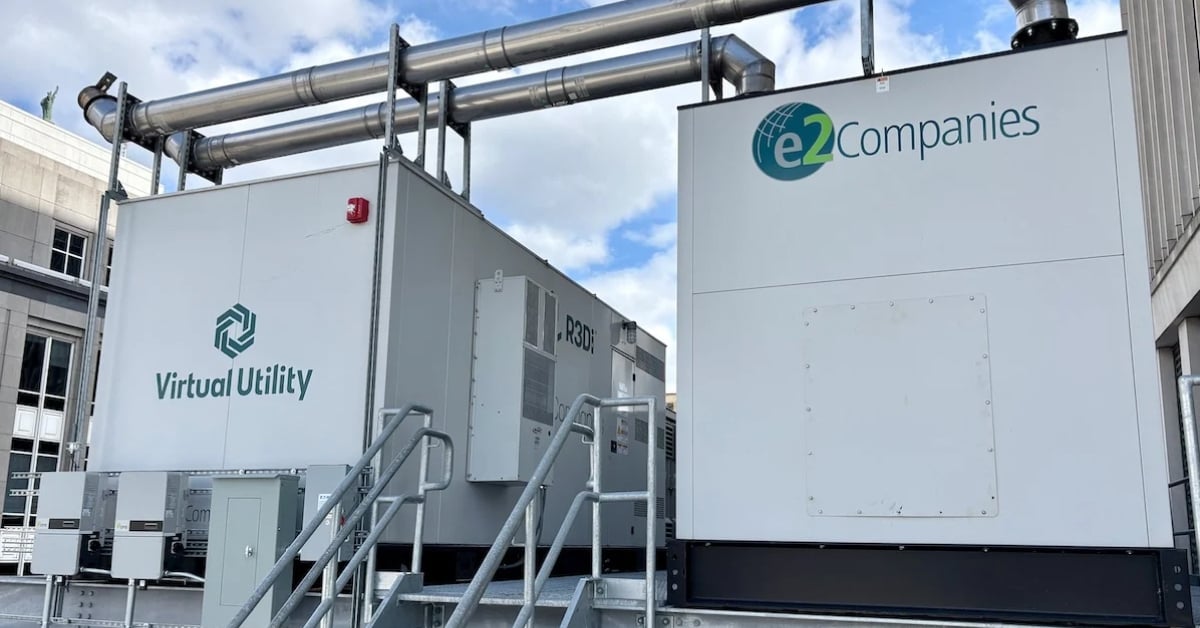
They're huge, they're heavy, um, so placing that anywhere is not easy. Placing it on a roof in downtown Buffalo is that much harder. It's, there's over 50 or 60 ton of equipment up there. So when this project first came to us, we were talking about just employing a microgrid, but as conversations continued, we were like, "Okay, well, we can put solar panels on the roof," and then once we removed the generator from the basement, we could install EV chargers. So we were able to meet a whole bunch of different needs under one project. The Rath Building itself has a data center currently in it for our IT department that covers all our IT, uh, especially our 911 backup systems, the software that runs that. And so we're going to be having a lot of the, the brains of that system housed here in the building, which is one of the reasons we need to have backup power that's good 24/7 uninterrupted, just completely reliable.
Running these prime generators in the REDI system is about $500,000 a year in revenue. New revenue, positive revenue that doesn't derive from a tax or any user fees or anything like that. We can now see, you know, when storms are coming in, and we can actually relieve stress on the grid by taking the building off the grid. Yeah, it was a sigh of relief. You know, it's, uh, seeing a plan come to fruition.
I can tell you the next snowstorm we have, and if it's this winter, one part I don't have to worry about is knowing we, we'll have power.

 Partner Spotlight: How 34 Group Is Building Community and Resiliency In Western New York
 See how on-site power can improve your facility’s reliability, control, and performance.
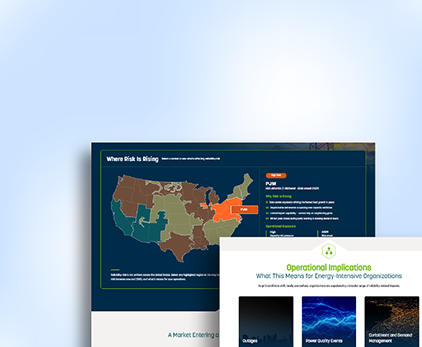 Get a clearer view of regional grid risk, operational exposure, and the path forward.